01dragonslayer
VET
- Joined
- Apr 8, 2018
- Messages
- 2,625
Strength training is a crucial component of any decent fitness routine. Whether you’re an athlete, a fitness enthusiast, or simply looking to improve your overall health and physique, building strength and being able to do more work is key. When it comes to putting together a strength training program, though, one common question often shows up regarding load progression: should you focus on lifting heavier weights for fewer repetitions or use a lighter load for more reps?
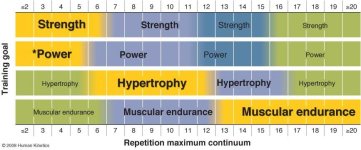
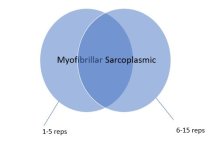
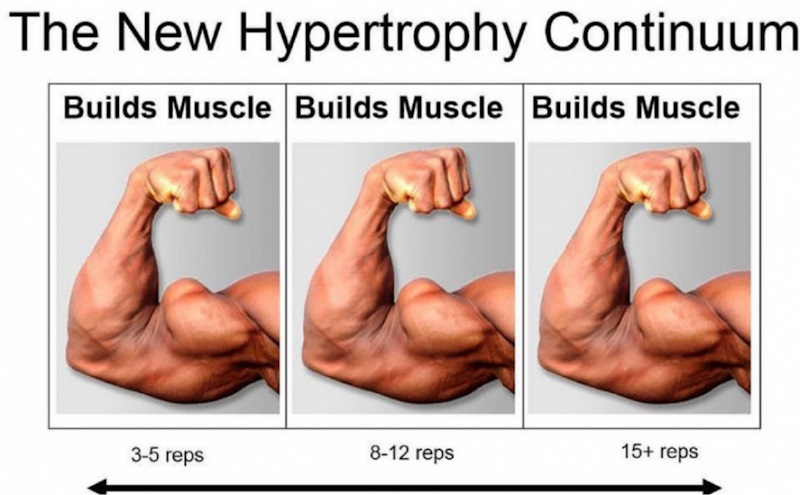
The more scientifical evidence we accumulate on this topic, the more confidence we have that pretty much all rep ranges will cause a very similar increase in whole muscle growth, or hypertrophy (although muscular strength may vary) as long as you go close to failure. With that being said, both approaches have their merits, and the best approach is probably a mix of both and will ultimately depend on your specific goals, current fitness level, and individual preferences. Let’s dig into the benefits of each approach to help you make an informed decision:
First, what does higher loads with fewer reps offer you?
Lifting heavier weights requires your muscles to exert more force, leading to the overall activation of a higher number of muscle fibers. This can promote more motor units being used and strength gains over time;
Working with higher loads forces the nervous system to coordinate and recruit more muscle fibers more efficiently for a stronger contraction. Over time, this can lead to improved neural adaptations, enhancing overall strength that carries over to pretty much anything;
For people training for powerlifting, strongman competitions, or other strength-focused sports, lifting heavy loads is essential. This approach allows athletes to specifically target their maximal strength for single or limited reps, which is crucial in competition settings;
Fewer reps with heavier weights generally means shorter workout durations, although this may not always be true due to the fact that rest periods tend to be longer this way. This can be especially more doable for individuals with busy schedules or those looking to incorporate strength training into a broader fitness routine.
Now, what about keeping a lower load with higher reps?
Performing more repetitions with a moderate load can enhance muscular endurance, enabling you to maintain muscle activity for longer periods of time. This is particularly beneficial for athletes involved in activities requiring prolonged effort, such as distance running, cycling or any activity that requires using the muscles for longer than a couple of minutes;
Lifting lighter loads significantly reduces the risk of severe injuries that can occur when attempting to lift extremely heavy weights. Because of this, this approach is often recommended for beginners, those recovering from injuries or even just getting back to the gym;
Higher repetition ranges with a moderate load can lead to an increased metabolic demand, potentially aiding in fat loss and cardiovascular health in addition to hypertrophy gains, provided all the other parameters involved are adequate for that;
Using the same load with more reps can be more versatile, as it often requires less specialized equipment. This makes it a more accessible option for individuals with limited access to a fully-equipped gym. Sometimes all a beginner has at home is a couple of 30lbs dumbbells (which will soon feel pretty light for most lifts), but adding more repetitions will go a long way before having to buy new stuff.
Without a doubt, the most effective strength training program will likely involve elements of both approaches. Periodization, a method of training that involves altering the volume and intensity of workouts over time, can be a powerful tool here. This allows you to cycle between higher loads with fewer reps and the same load with more reps, providing a well-rounded approach to strength development, speeding up results and greatly reducing risk of injury.
In conclusion, the “best” approach for building strength depends on a bunch of factors including age, fitness level, genetic makeup, personal goals and circumstances. Both higher loads with fewer reps and lower load with more reps have distinct advantages. By intelligently incorporating elements of both approaches, you can create a balanced strength training regimen that maximizes your progress and minimizes the risk of overuse injuries. Consistency, proper form, and progressive overload (and “overload” can be from weights, reps, resting periods, etc.) are key components regardless of the approach you choose.
The more scientifical evidence we accumulate on this topic, the more confidence we have that pretty much all rep ranges will cause a very similar increase in whole muscle growth, or hypertrophy (although muscular strength may vary) as long as you go close to failure. With that being said, both approaches have their merits, and the best approach is probably a mix of both and will ultimately depend on your specific goals, current fitness level, and individual preferences. Let’s dig into the benefits of each approach to help you make an informed decision:
First, what does higher loads with fewer reps offer you?
Lifting heavier weights requires your muscles to exert more force, leading to the overall activation of a higher number of muscle fibers. This can promote more motor units being used and strength gains over time;
Working with higher loads forces the nervous system to coordinate and recruit more muscle fibers more efficiently for a stronger contraction. Over time, this can lead to improved neural adaptations, enhancing overall strength that carries over to pretty much anything;
For people training for powerlifting, strongman competitions, or other strength-focused sports, lifting heavy loads is essential. This approach allows athletes to specifically target their maximal strength for single or limited reps, which is crucial in competition settings;
Fewer reps with heavier weights generally means shorter workout durations, although this may not always be true due to the fact that rest periods tend to be longer this way. This can be especially more doable for individuals with busy schedules or those looking to incorporate strength training into a broader fitness routine.
Now, what about keeping a lower load with higher reps?
Performing more repetitions with a moderate load can enhance muscular endurance, enabling you to maintain muscle activity for longer periods of time. This is particularly beneficial for athletes involved in activities requiring prolonged effort, such as distance running, cycling or any activity that requires using the muscles for longer than a couple of minutes;
Lifting lighter loads significantly reduces the risk of severe injuries that can occur when attempting to lift extremely heavy weights. Because of this, this approach is often recommended for beginners, those recovering from injuries or even just getting back to the gym;
Higher repetition ranges with a moderate load can lead to an increased metabolic demand, potentially aiding in fat loss and cardiovascular health in addition to hypertrophy gains, provided all the other parameters involved are adequate for that;
Using the same load with more reps can be more versatile, as it often requires less specialized equipment. This makes it a more accessible option for individuals with limited access to a fully-equipped gym. Sometimes all a beginner has at home is a couple of 30lbs dumbbells (which will soon feel pretty light for most lifts), but adding more repetitions will go a long way before having to buy new stuff.
Without a doubt, the most effective strength training program will likely involve elements of both approaches. Periodization, a method of training that involves altering the volume and intensity of workouts over time, can be a powerful tool here. This allows you to cycle between higher loads with fewer reps and the same load with more reps, providing a well-rounded approach to strength development, speeding up results and greatly reducing risk of injury.
In conclusion, the “best” approach for building strength depends on a bunch of factors including age, fitness level, genetic makeup, personal goals and circumstances. Both higher loads with fewer reps and lower load with more reps have distinct advantages. By intelligently incorporating elements of both approaches, you can create a balanced strength training regimen that maximizes your progress and minimizes the risk of overuse injuries. Consistency, proper form, and progressive overload (and “overload” can be from weights, reps, resting periods, etc.) are key components regardless of the approach you choose.