

01dragonslayer
VET
- Joined
- Apr 8, 2018
- Messages
- 2,625
Your ideal squat depth depends on your unique anatomy, not universal standards. Start with three assessment tests: bodyweight squats, goblet squats, and wall-facing squats to find your natural range.
Focus on perfect form within your current mobility rather than forcing parallel depth with heavy weights. Tight ankles, long femurs, or hip structure may limit your depth, and that's perfectly normal. Prioritizing proper alignment over arbitrary depth standards will keep you injury-free while building strength safely through techniques that maximize your lifting potential.
Someone with longer legs might struggle reaching parallel, while shorter-limbed lifters often squat deeper effortlessly.
Your mobility also plays a role. Tight ankles limit forward knee travel, forcing you to lean forward or restrict depth. Poor hip mobility creates similar limitations. Core stability affects how deep you can safely descend while maintaining proper alignment.
Don't copy others' depths. Focus on gradual load progression within your range. Common mistakes include forcing unnatural depth or comparing yourself to experienced lifters. Work with your anatomy, not against it.
Start each session with dynamic warm-ups that mirror squatting patterns. Practice bodyweight squats, emphasizing controlled descents to your current depth limit. Don't rush. Mobility improvements take time.
For strength development, implement gradual load progression only after demonstrating consistent form at your target depth. Use pause squats at the bottom position to build stability and comfort. Box squats can help you practice hitting specific depths repeatedly. Remember, deeper squats with lighter weight trump shallow squats with heavy loads.
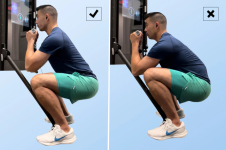
The most common dangerous mistakes include cutting depth short to handle heavier loads, which shifts stress to your knees and lower back inappropriately. You'll also risk injury by bouncing at the bottom of your squat or allowing your knees to cave inward during ascent.
Poor form at inadequate depths creates muscle imbalances and joint dysfunction over time. Instead of chasing heavy weights immediately, focus on achieving consistent parallel depth with lighter loads.
Gradual progression with proper squat depth builds the mobility and strength patterns your body needs to handle heavier weights safely without compromising your long-term joint health.
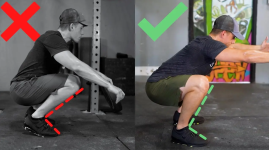
When you're dealing with mobility restrictions or knee injuries, controlling your squat depth prevents compensation patterns that compromise form. Beginners often benefit from a partial range of motion when learning proper movement mechanics before progressing to full depth.
Shallow squats allow heavier weight progression while maintaining joint safety. You'll build confidence handling increased loads without the technical demands of deep positioning. This approach works particularly well when your knees track poorly at bottom positions or when hip mobility limits safe descent.
Focus on perfect form within your current range of motion, then gradually increase depth as mobility improves and strength develops through consistent practice.
Focus on perfect form within your current mobility rather than forcing parallel depth with heavy weights. Tight ankles, long femurs, or hip structure may limit your depth, and that's perfectly normal. Prioritizing proper alignment over arbitrary depth standards will keep you injury-free while building strength safely through techniques that maximize your lifting potential.
Find Your Personal Squat Depth in 3 Simple Tests
How deep should you actually squat when you're just starting to lift heavy? Your ideal squat depth depends on your unique anatomy and mobility limitations, not arbitrary standards.Test 1: Bodyweight Squat Assessment
Drop into your deepest comfortable squat without weight. It reveals your natural mobility baseline and identifies restrictions in ankle or hip flexibility.Test 2: Goblet Squat with Light Weight
Hold a light dumbbell and squat down slowly. Focus on knee and hip alignment while maintaining an upright torso. It shows how the added load affects your depth.Test 3: Wall-Facing Squat
Stand six inches from a wall and squat down. If you can't maintain balance, you've found your current mobility limit. These tests establish your safe heavy lifting parameters for effective injury prevention.Why Your Squat Depth Differs From Other Lifters
After completing those three tests, you'll likely notice your squat depth looks different from the person next to you at the gym. This variation isn't a flaw. It's anatomy. Your femur length, hip socket depth, and ankle structure all influence your natural squat depth.Someone with longer legs might struggle reaching parallel, while shorter-limbed lifters often squat deeper effortlessly.
Your mobility also plays a role. Tight ankles limit forward knee travel, forcing you to lean forward or restrict depth. Poor hip mobility creates similar limitations. Core stability affects how deep you can safely descend while maintaining proper alignment.
Don't copy others' depths. Focus on gradual load progression within your range. Common mistakes include forcing unnatural depth or comparing yourself to experienced lifters. Work with your anatomy, not against it.
Build Deeper Squats Without Sacrificing Form
While accepting your anatomical limitations is essential, you can still improve your squat depth through targeted mobility work and smart programming. Focus on hip flexor stretches, ankle dorsiflexion drills, and thoracic spine mobility exercises daily. These movements directly impact your ability to achieve proper squat depth while maintaining safe technique.Start each session with dynamic warm-ups that mirror squatting patterns. Practice bodyweight squats, emphasizing controlled descents to your current depth limit. Don't rush. Mobility improvements take time.
For strength development, implement gradual load progression only after demonstrating consistent form at your target depth. Use pause squats at the bottom position to build stability and comfort. Box squats can help you practice hitting specific depths repeatedly. Remember, deeper squats with lighter weight trump shallow squats with heavy loads.
Squat Depth Mistakes That Cause Lifting Injuries
When beginners prioritize lifting heavier weights over maintaining proper squat depth, they're setting themselves up for serious injuries that could sideline their training for months.The most common dangerous mistakes include cutting depth short to handle heavier loads, which shifts stress to your knees and lower back inappropriately. You'll also risk injury by bouncing at the bottom of your squat or allowing your knees to cave inward during ascent.
Poor form at inadequate depths creates muscle imbalances and joint dysfunction over time. Instead of chasing heavy weights immediately, focus on achieving consistent parallel depth with lighter loads.
Gradual progression with proper squat depth builds the mobility and strength patterns your body needs to handle heavier weights safely without compromising your long-term joint health.
When Shallow Squats Beat Deep Squats for Strength
Although deep squats dominate most training discussions, specific situations make shallow squats the superior choice for maximizing strength gains.When you're dealing with mobility restrictions or knee injuries, controlling your squat depth prevents compensation patterns that compromise form. Beginners often benefit from a partial range of motion when learning proper movement mechanics before progressing to full depth.
Shallow squats allow heavier weight progression while maintaining joint safety. You'll build confidence handling increased loads without the technical demands of deep positioning. This approach works particularly well when your knees track poorly at bottom positions or when hip mobility limits safe descent.
Focus on perfect form within your current range of motion, then gradually increase depth as mobility improves and strength develops through consistent practice.


